Don’t Let PTO Ruin Your Life: Finding a Better Leave Management System
When PTO Tracking Becomes a Full-Time Job (And How to Fix It)
If you’re searching for the right hr leave management system, there are several categories of software to consider in 2025, ranging from mobile-first platforms for deskless teams to comprehensive suites for growing businesses. Most systems offer flexible pricing, often starting as low as $1 to $10 per user per month, with free tiers available for very small startups.
Picture this: an employee asks if they can take next Friday off. Before you can answer, you have to check their leave balance, confirm nobody else on their team is already out, and update three separate spreadsheets. And you’re doing this alone, while also handling payroll, compliance, and a dozen other things.
Sound familiar? You’re not alone.
Many small business owners and solo HR managers still rely on manual processes or outdated tools. That leads to calculation errors, scheduling conflicts, compliance risks, and hours of wasted time every single week.
The good news? A modern hr leave management system automates all of that. Employees submit requests through an app or chat tool. Managers approve with one click. Balances update automatically. No paperwork. No inbox overload.
This article breaks down the best systems available right now, what to look for, and how to pick the right one for your team size and budget — so you can stop managing spreadsheets and start leading your business.
System checks leave balance and team calendar automatically > Manager receives instant notification and approves or declines with one click > Leave balance updates in real time > Payroll system syncs automatically > Employee receives confirmation notification > HR dashboard reflects updated team availability – hr leave management system infographic ” class=”aligncenter” src=”https://images.bannerbear.com/direct/4mGpW3zwpg0ZK0AxQw/requests/000/133/392/531/g4ZpR2ONeYJLORGr6Eqvo9WBA/14957fabb0b2903e67287468294a14cf98238ff3.jpg” style=”display: block; margin-left: auto; margin-right: auto; max-width: 100%;” title=”Infographic showing the automated leave request lifecycle: Employee submits PTO request via app or chat > System checks leave balance and team calendar automatically > Manager receives instant notification and approves or declines with one click > Leave balance updates in real time > Payroll system syncs automatically > Employee receives confirmation notification > HR dashboard reflects updated team availability – hr leave management system infographic “/>
Understanding the Modern HR Leave Management System
At its core, an hr leave management system is a digital solution designed to handle the end-to-end process of employee time-off requests. Gone are the days of paper forms gathering dust on a desk or “lost” emails. These modern platforms act as a single source of truth for your company’s attendance data.
When we talk about these systems, we’re looking at cloud-based tools that offer real-time visibility. This means that the moment a request is approved, the team calendar updates, the employee’s balance is deducted, and the payroll report reflects the change. It creates a transparent environment where everyone—from the CEO to the newest intern—knows exactly where they stand regarding their benefits.
One of the most critical aspects of these systems is their ability to track FMLA usage and compliance. Managing Family and Medical Leave Act requirements manually is a legal minefield. A robust system tracks these hours automatically, ensuring you stay within federal guidelines without having to manually count days on a desk calendar.
Key Features to Look for in an HR Leave Management System
Not all software is created equal. When we evaluate these tools, we look for specific “must-have” functionalities that separate a mediocre tool from a life-saving one.
| Feature | Manual Spreadsheet | Automated System |
|---|---|---|
| Accuracy | High risk of human error | 100% policy enforcement |
| Visibility | Hidden in files | Real-time shared calendars |
| Accessibility | Office-bound | Mobile & Chat-based |
| Compliance | Manual tracking | Automated alerts & audits |
| Employee Experience | Frustrating/Slow | Instant self-service |
The best systems include:
- Mobile Accessibility: Essential for deskless or remote teams. Modern mobile-first tools allow employees to snap photos of medical certificates or request leave while on the go.
- Policy Customization: Your business is unique. You need a system that handles custom accrual logic—whether you offer “unlimited” PTO, earned hours per pay period, or tenure-based increases.
- Carry-over Rules: Automatically managing how many days can roll over into the new year prevents the “January 1st spreadsheet panic.”
- Self-Service Portals: This empowers employees to check their own balances, reducing the number of “How many days do I have left?” emails hitting your inbox.
For teams that need more than just a tracker, exploring managed HR services can provide the professional oversight needed to ensure these features are configured correctly from day one.
How an HR Leave Management System Ensures Legal Compliance
Compliance isn’t just a buzzword; it’s about protecting the business you’ve worked so hard to build. In the US, labor laws can vary significantly. A digital system helps you maintain excellence in workplace practices by ensuring every employee is treated fairly according to both law and company policy.
These systems provide:
- Audit Trails: Every request, approval, and denial is logged with a timestamp and the user’s ID. If a dispute ever arises, you have an immutable record of what happened.
- Statutory Entitlements: Advanced global tools come pre-loaded with regional labor law templates. This is vital for businesses with employees in different states or countries.
- Data Residency: For security-conscious firms, knowing exactly where your data is stored is a key compliance requirement.
- Automated Alerts: The system can notify you if an employee is approaching a legal limit for sick leave or if a manager hasn’t responded to a request within the required timeframe.
Why Your Business Must Move Beyond Spreadsheets
We’ve all been there—the “Master Spreadsheet” that only one person knows how to use. Then, a formula breaks. Or someone accidentally deletes a row. Suddenly, your PTO data is a mess.
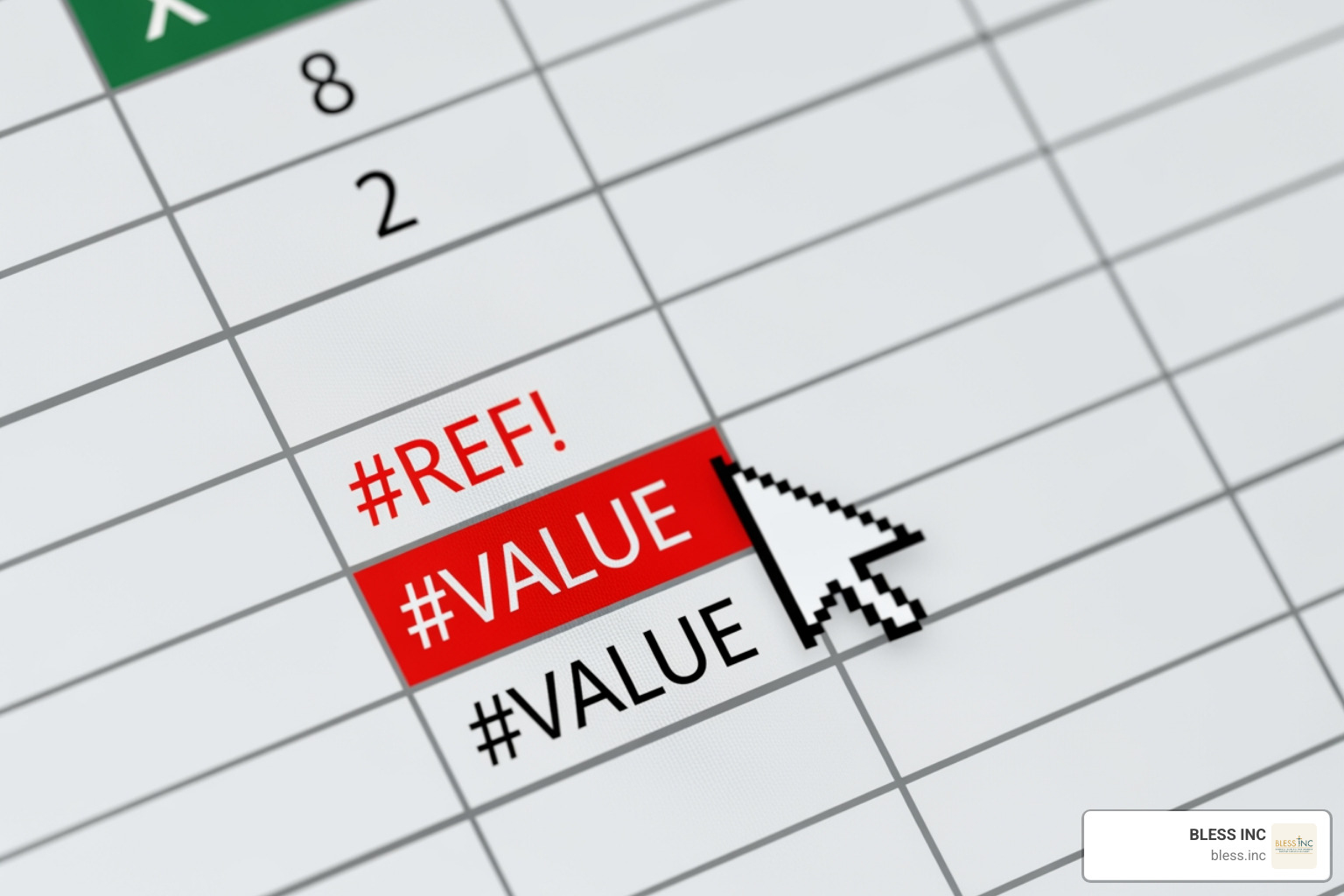
The risks of staying on spreadsheets are higher than many realize:
- Version Control Issues: Is “PTOFinalv2.xlsx” actually the final version? Usually not.
- Calculation Errors: Manual entry leads to mistakes. Even a 1% error rate across 50 employees can lead to thousands of dollars in payroll discrepancies.
- Visibility Gaps: Managers often approve leave without seeing the “big picture.” This leads to staffing shortages where an entire department is out at once because nobody checked the master file.
- Employee Frustration: Employees want to plan their lives. Waiting three days for a manager to check a spreadsheet is a morale killer.
By moving to a dedicated system, you eliminate these bottlenecks. If you’re feeling overwhelmed by the transition, managed HR services can take the weight off your shoulders, handling the migration so you don’t have to.
Selecting the Best Software Category for Your Team
Choosing the right hr leave management system depends on how your team works. Are you always in Slack? Do you need a full HR suite?
All-in-One HR Suites for Comprehensive Management
If you want one login for everything—onboarding, performance reviews, payroll, and leave—a comprehensive all-in-one suite is the way to go.
- Pros: Unified data. When you hire someone, they are automatically added to the PTO system.
- Cons: These can be more expensive and sometimes include features you don’t actually need yet.
Standalone PTO Trackers for Specialized Efficiency
Sometimes, you just need a tool that does one thing exceptionally well. Standalone trackers focus purely on time off.
- Pros: Rapid implementation (some take less than 30 minutes to set up), simple interfaces, and often much lower costs.
- Cons: You may need to manually sync data with your payroll system if an integration isn’t available.
Implementation and Onboarding Best Practices
Switching to a new system doesn’t have to be a headache. We recommend a structured approach to ensure high user adoption:
- Data Migration: Export your current data to a CSV file. Clean up any inconsistencies before importing it into the new system.
- Policy Configuration: Set up your rules (accruals, carry-overs, blackout dates) and test them with a “dummy” employee account first.
- Employee Rollout: Don’t just send a login link. Record a quick 2-minute Loom video showing them how to request a day off.
- Feedback Loops: Ask your managers after the first month if the approval process is working for them.
Frequently Asked Questions about Leave Management
How much does leave management software typically cost?
Pricing varies based on the depth of features.
- Basic/Standalone: $1 – $5 per user/month.
- Standard Suites: $6 – $10 per user/month.
- Enterprise: Custom quotes, often involving a base fee plus a per-user charge.
Many tools offer free tiers for very small teams (usually under 5 or 10 users).
Can these systems handle global teams and multi-region compliance?
Yes! Specialized global systems are built specifically for this. They include location-based automation that automatically applies the correct public holidays and statutory leave rules based on where the employee is located.
What integrations are essential for a leave management tool?
At a minimum, you should look for:
- Calendar Sync: (Google Calendar/Outlook) so absences show up where people actually work.
- Collaboration Tools: (Slack/Microsoft Teams) to allow for “one-click” approvals within your chat app.
- Payroll: To ensure that paid leave is accurately reflected in paychecks without manual data entry.
Conclusion
Operational excellence isn’t just about having the best product; it’s about how you treat your people and manage your time. At BLESS INC, we believe in supporting faith-driven entrepreneurs by removing the administrative burdens that stifle growth. Our zero-equity acceleration model is built on Christ-centered compassion, ensuring you retain 100% ownership while gaining the professional support you need.
Don’t let a messy spreadsheet be the reason your team feels burnt out or your payroll is incorrect. Whether you choose a standalone tracker or decide to partner with us for managed HR services, the goal is the same: freedom to focus on your calling.
Ready to reclaim your time? Let’s find the system that works for you.